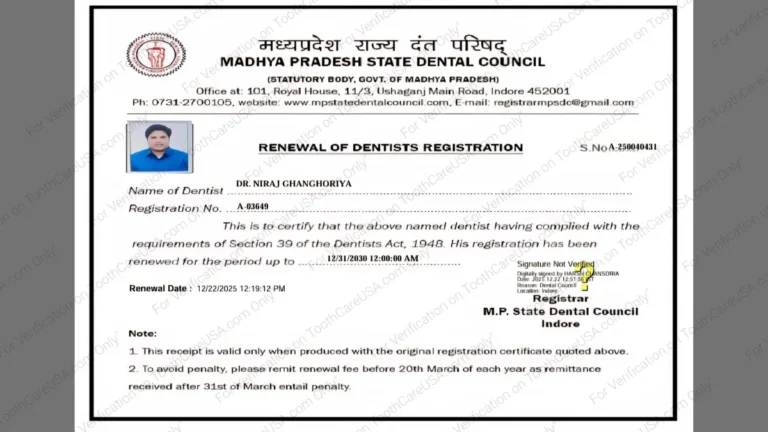
Author: Dr. Niraj Ghanghoriya | Website: Toothcareusa.com Category: Dental Emergencies
Content last medically reviewed by Dr. Niraj Ghanghoriya on January 5, 2026.
Introduction
If you found this page while clutching your jaw in agony at 3:00 AM, I want you to know one thing immediately: I understand the urgency.
Dental nerve pain (pulpitis) is unlike any other pain in the human body. It is sharp, relentless, and can make it impossible to think, eat, or sleep. It is natural to search for a way to “kill tooth pain nerve in 3 seconds permanently.” You don’t just want the pain to fade; you want the source of that pain gone forever, right now.
However, as a dentist, I need to be honest with you to keep you safe. While there are methods to numb the area almost instantly, “killing” a nerve permanently is a biological process that cannot happen safely in three seconds using home remedies.
In this guide, I will break down exactly how to get that near-instant relief you are desperate for, and explain the only safe way to stop the nerve from ever hurting you again.
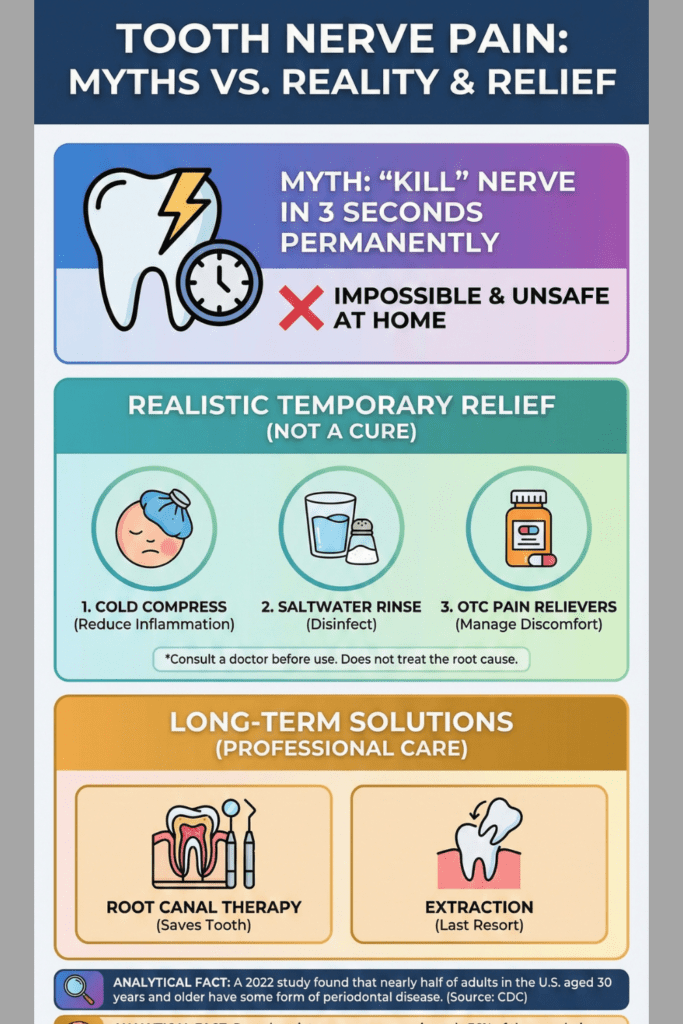
Dr. Niraj’s Note: “Please use the relief methods below to get through the night, but understand that a ‘dead’ nerve that stays in your mouth will eventually turn into a dangerous abscess. My goal here is to get you out of pain safely so you can make it to the dental chair.”
Can You Really Kill Tooth Pain Nerve in 3 Seconds Permanently?
(Myth vs. Reality Infographic)
“The internet is flooded with dangerous advice claiming you can ‘kill’ a nerve instantly at home. As a dentist, I need to set the record straight: How to kill tooth pain nerve in 3 seconds permanently is a search term born out of desperation, but the biological reality is different. You cannot permanently kill a nerve in seconds without professional intervention like a root canal or extraction.
The infographic below illustrates the critical difference between dangerous myths (like placing aspirin on the gum) and safe dental realities. Attempting DIY nerve destruction often results in chemical burns to the gums, making the pain worse. At Toothcareusa.com, we want you to focus on safe, manageable relief until you can get in the chair.”
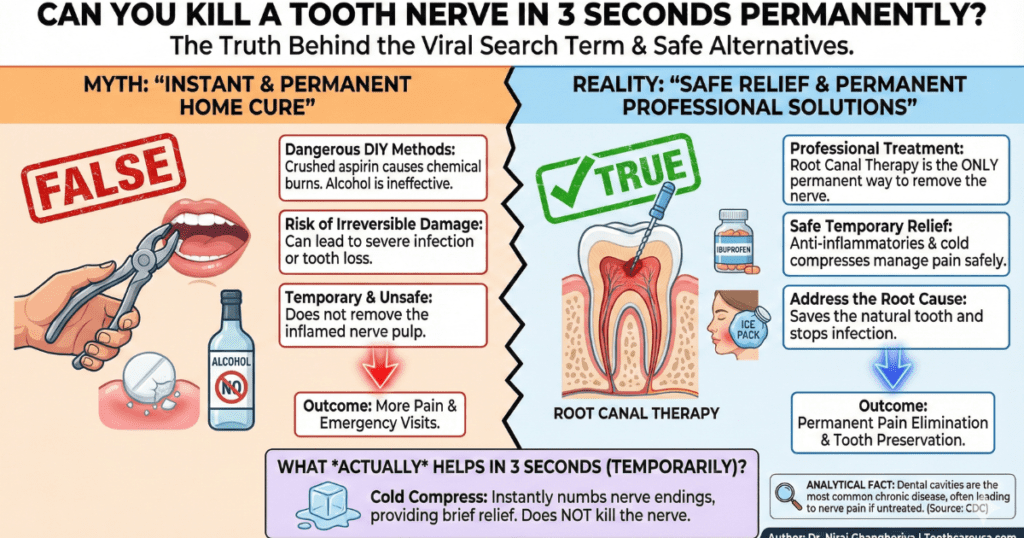
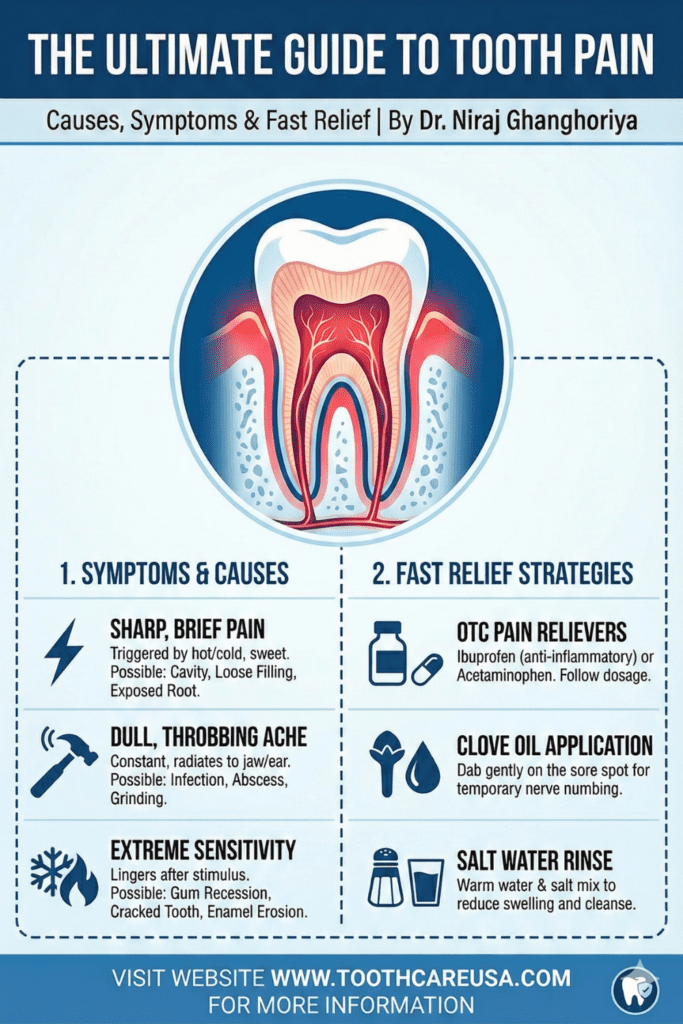
Understanding Tooth Nerve Pain: Causes and Symptoms
Tooth pain is often caused by inflammation or exposure of the tooth nerve, leading to sharp, throbbing, or radiating pain. Identifying the root cause is crucial for choosing the right treatment.
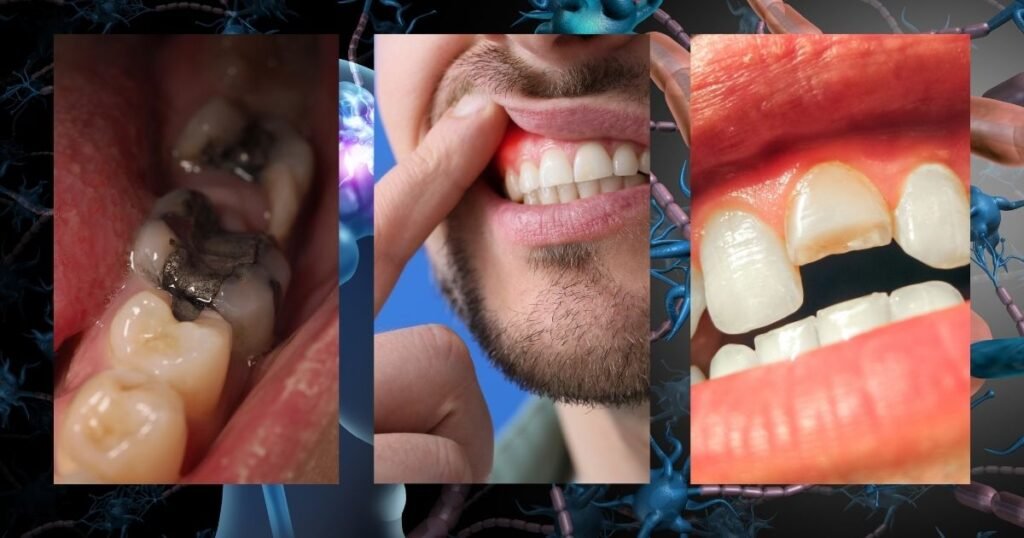
Common Causes of Tooth Nerve Pain
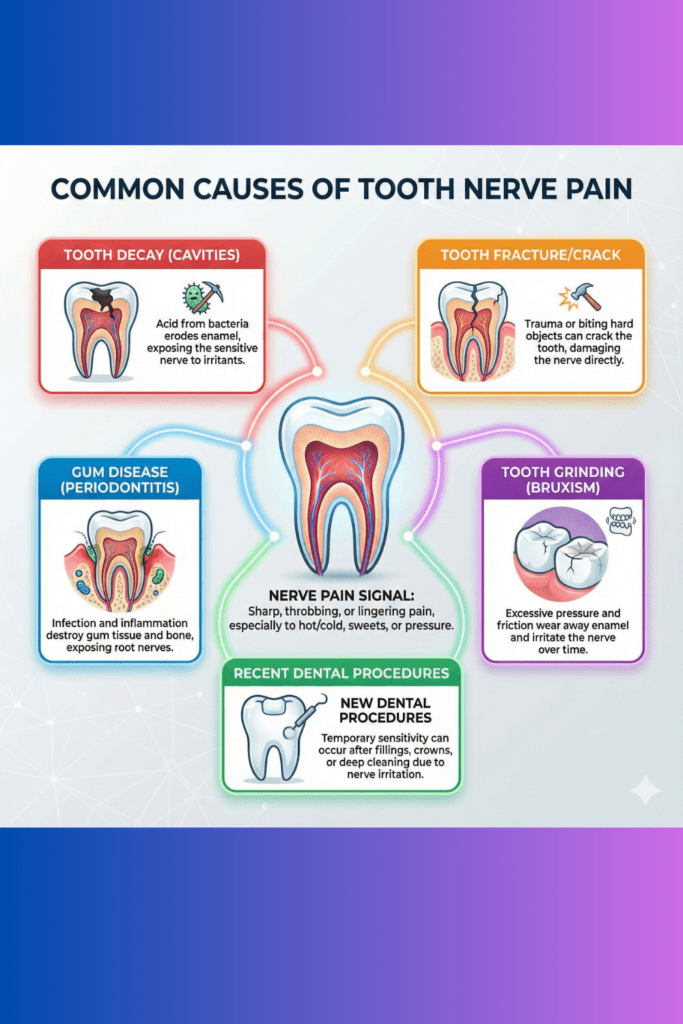
- Tooth Decay (Cavities): Bacteria erode the enamel and expose the inner pulp.
- Gum Disease (Periodontitis): Infection weakens the gums, exposing tooth roots.
- Cracked or Broken Teeth: Physical damage exposes nerve endings.
- Dental Procedures (Fillings, Crowns, Root Canals): Can cause temporary nerve inflammation.
- Teeth Grinding (Bruxism): bruxism shredding of enamel layers with unreasoned grinding
- Temperature Sensitivity: a sharp and sudden response to hot or cold exposure from food and drink indicates nerve exposure.
- Abscessed Tooth: A severe bacterial infection can lead to swelling and persistent pain.
Signs and Symptoms of Tooth Nerve Damage

- Sudden, sharp, throbbing, or aching pain when consuming hot, cold, or sweet items.
- The severe pain persists even if you aren’t eating or imbibing.
- A swollen gum or part of the face, frequently associated with pus formation.
- Aching or discomfort when the affected tooth is touched or put under pressure.
- Bad breath resulting from bacterial infection. The following techniques, on the other hand, can provide instant relief and long-term treatment:
Can You Really Kill a Tooth Nerve in 3 Seconds?
The short answer is: No, you cannot “kill” the nerve permanently in 3 seconds at home, but you can block the pain signal that quickly.
To understand why, we have to look at what is happening inside your tooth.
The Anatomy of the Pain
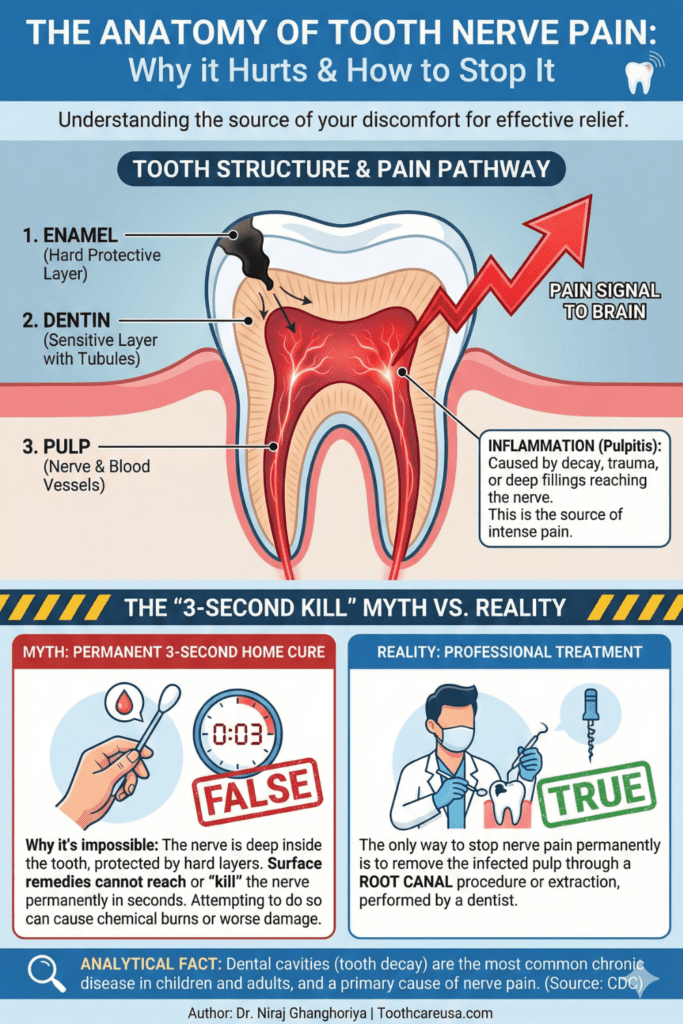
Your tooth nerve (the pulp) is buried deep inside the hard layers of enamel and dentin. When you feel that intense throbbing, it is usually because:
- Inflammation: The nerve is swollen, but because it is trapped inside a hard shell, it has nowhere to expand. This pressure causes the agonizing throbbing.
- Exposure: A cavity or crack has exposed the nerve endings to air, sugar, or temperature.
Numbing vs. Killing
When you see claims online about killing the nerve instantly, they are usually confusing two different things:
- Numbing (Temporary): This can happen in 3 seconds. Using strong topical anesthetics (like Benzocaine) or natural agents (like Clove Oil) blocks the sodium channels in the nerve. This stops the “pain message” from reaching your brain. The nerve is still alive and angry, but the phone line has been cut temporarily.
- Killing (Permanent): To permanently kill a nerve, the blood supply must be severed, and the tissue must be removed. This is physically impossible to do in seconds with a home remedy.
The Danger of “Miracle Cures”
I have seen many patients at Toothcareusa.com who tried to force the nerve to die using dangerous methods found online, such as putting crushed aspirin directly on the gum or using household chemicals. Please do not do this.
Attempting to “burn” the nerve out at home will not reach the pulp inside the tooth; instead, it will chemically burn your gums and cheek, adding “soft tissue burn” to your existing toothache.
Real, permanent removal of the nerve happens in the dental chair via Root Canal Treatment (RCT) or extraction.
Top 3 Methods for “Instant” Nerve Pain Relief (The Rapid Fix)
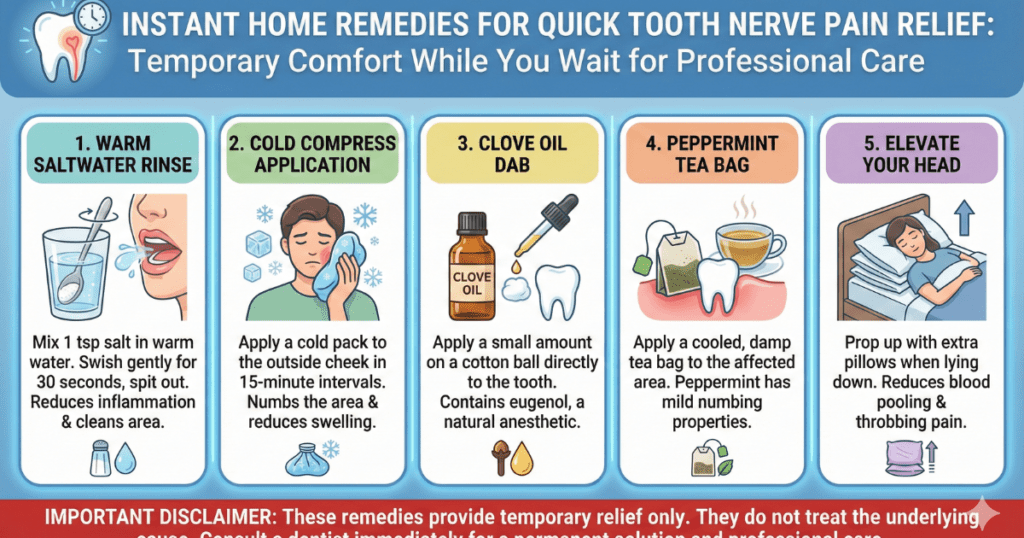
Since we cannot safely “kill” the nerve in seconds at home, the next best thing is to shut down its ability to send pain signals. These are the three most effective methods to mimic that “3-second” relief you are looking for.
1. Clove Oil (Eugenol): The Natural Anesthetic
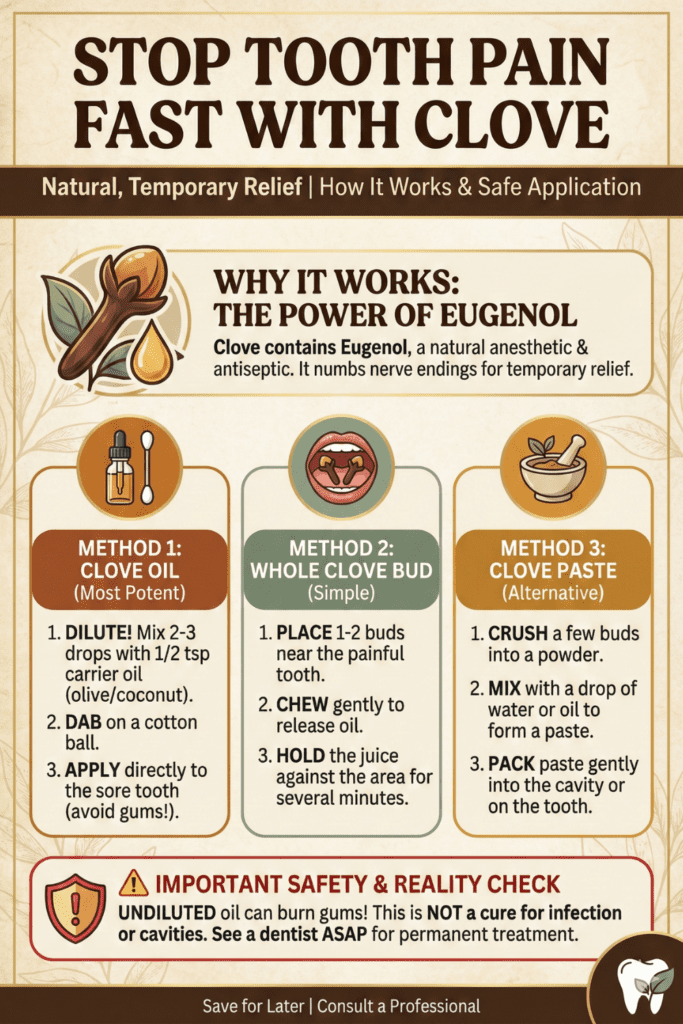
This is often the most effective home remedy because clove oil contains eugenol, a natural antiseptic and anesthetic that is actually used in professional dental materials.
- How it works: Eugenol works similarly to benzocaine; it numbs the area upon contact.
- How to apply it safely:
- Place a small drop of clove oil on a clean cotton ball or swab.
- Gently dab the cotton directly onto the painful tooth or into the cavity if there is a hole.
- Warning: Do not pour the oil directly into your mouth or swallow it. It is potent and can burn your tongue or gums if applied carelessly.
2. Benzocaine Gels (OTC Numbing Agents)
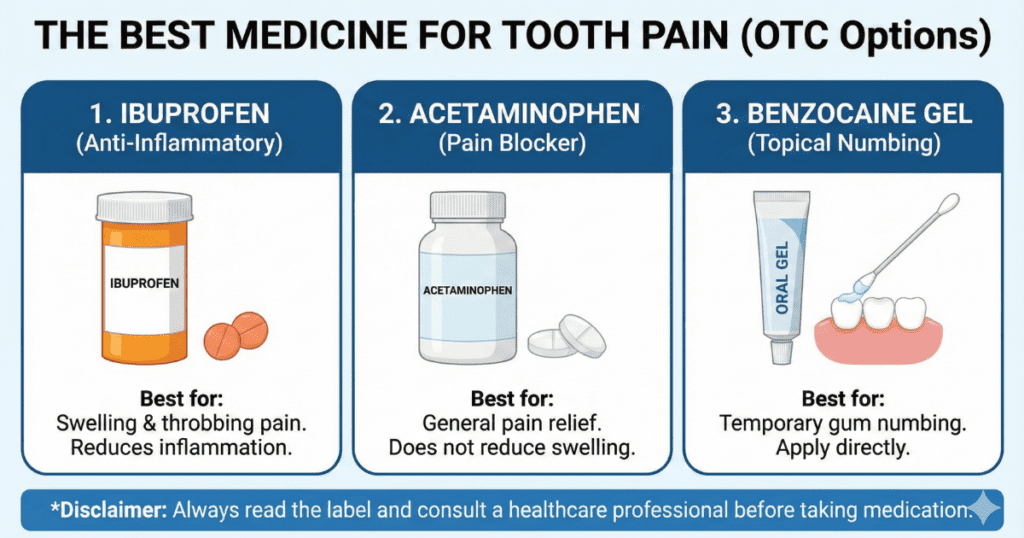
If you have access to a pharmacy, look for over-the-counter dental gels containing 20% Benzocaine.
- How it works: Benzocaine is a local anesthetic that blocks the nerve endings on the surface of the gum and tooth pulp (if exposed).
- The “3-Second” Effect: While it won’t fix the deep internal nerve, it provides immediate relief for the surface tissues and exposed areas, giving you a temporary break from the sharpest pain.
- Pro Tip: Dry the area with a tissue before applying the gel. Saliva can wash the gel away before it penetrates.
3. The Cold Water Trick (For Gas Pressure)
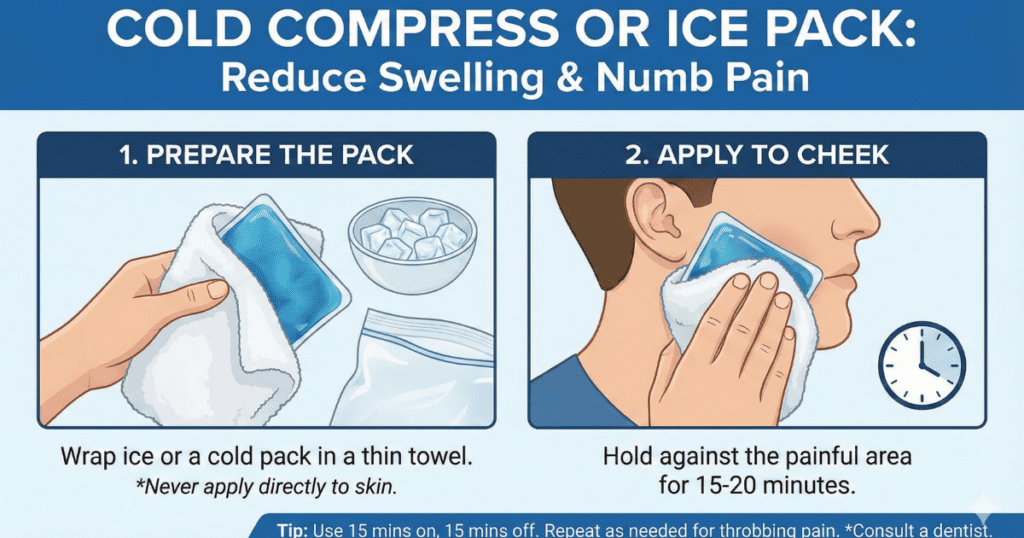
This is a specific remedy for a specific type of pain. If your tooth feels like it is “pulsing” or “exploding” from the inside, the nerve may be in the process of dying (necrosis), releasing gases that build up pressure inside the tooth.
- How it works: Heat causes these gases to expand (increasing pain), while cold causes them to contract (reducing pain).
- The Test: Take a sip of ice-cold water.
- If the pain vanishes instantly (in about 3 seconds) and stays away as long as the water is cold, you have likely relieved the gas pressure.
- Dr. Niraj’s Warning: If the cold water makes the pain worse, spit it out immediately! This means your nerve is hypersensitive, not gangrenous, and you should avoid extreme temperatures entirely.
Why These Are Temporary
Please remember: Numbing is not healing. These methods are buying you time—perhaps a few hours or a night of sleep. The bacteria causing the infection are still active, and they will continue to eat away at the tooth structure until treated professionally.
How to Actually Kill the Nerve Permanently (The Professional Way)
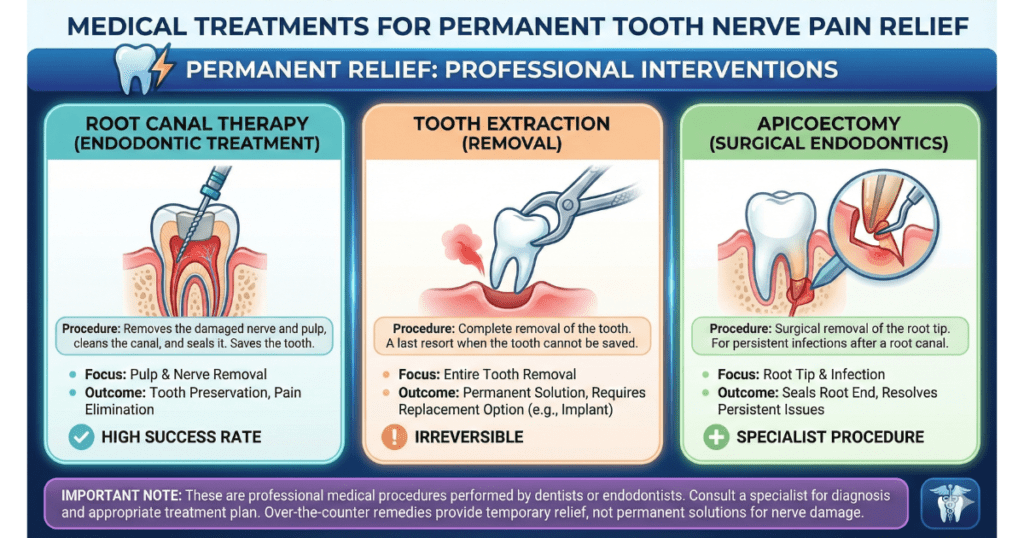
We have established that home remedies only pause the pain. To stop the pain permanently, we must physically remove the damaged nerve tissue. As a dentist, I want to reassure you: The procedure to fix the tooth is not the source of pain—it is the cure for it.
There are only two medical procedures that permanently “kill” or remove the nerve.
1. Root Canal Treatment (RCT): The Gold Standard
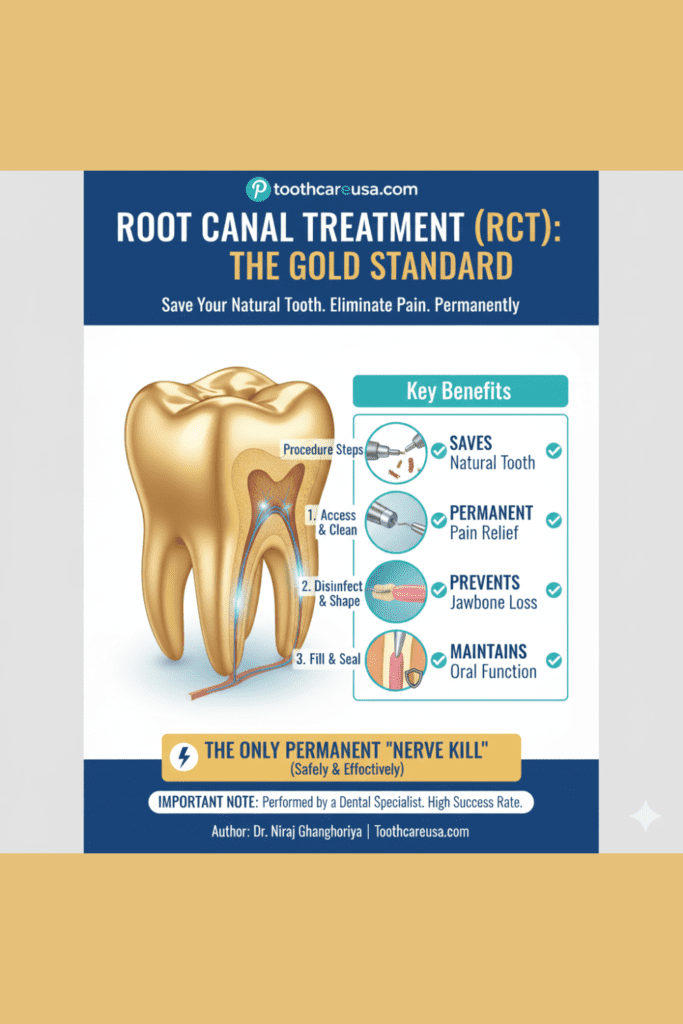
Many patients shudder at the words “Root Canal,” but this reputation is outdated. In modern dentistry, a root canal is the procedure that stops the pain, usually instantly after anesthesia is administered.
- What happens: Instead of pulling the tooth, we create a small opening and use precision instruments to clean out the infected pulp (the nerve and blood vessels) from the inside of the roots.
- The Result: The tooth remains in your mouth and functions like a normal tooth, but it is now “dead” to sensation. It can no longer feel hot, cold, or sweet pain.
- Why it’s the best option: It saves your natural tooth structure, which is always superior to an implant or bridge.
2. Tooth Extraction: The Last Resort
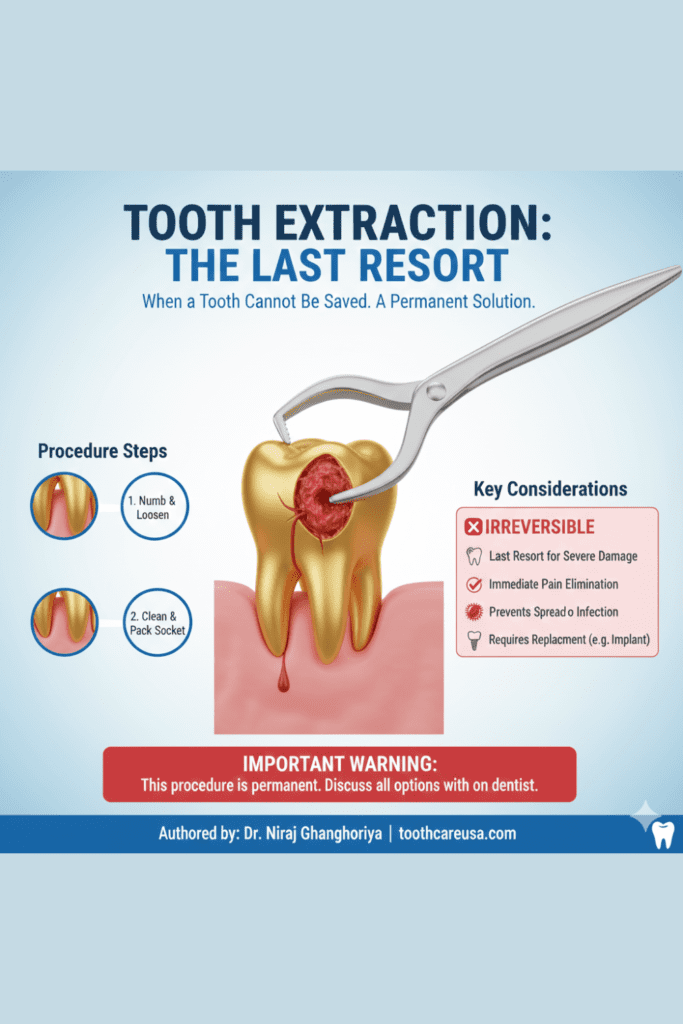
If the tooth is too damaged to be saved—for example, if a crack extends below the gum line or the decay is too deep—we must remove the tooth entirely.
- What happens: The entire tooth, including the nerve roots, is removed.
- The Result: 100% permanent removal of pain from that specific tooth, as the nerve is physically gone.
- The Trade-off: You lose the tooth. This can lead to chewing difficulties or shifting teeth later unless you replace it with a dental implant or bridge.
3. Dental Fillings – Fixing Minor Nerve Exposures
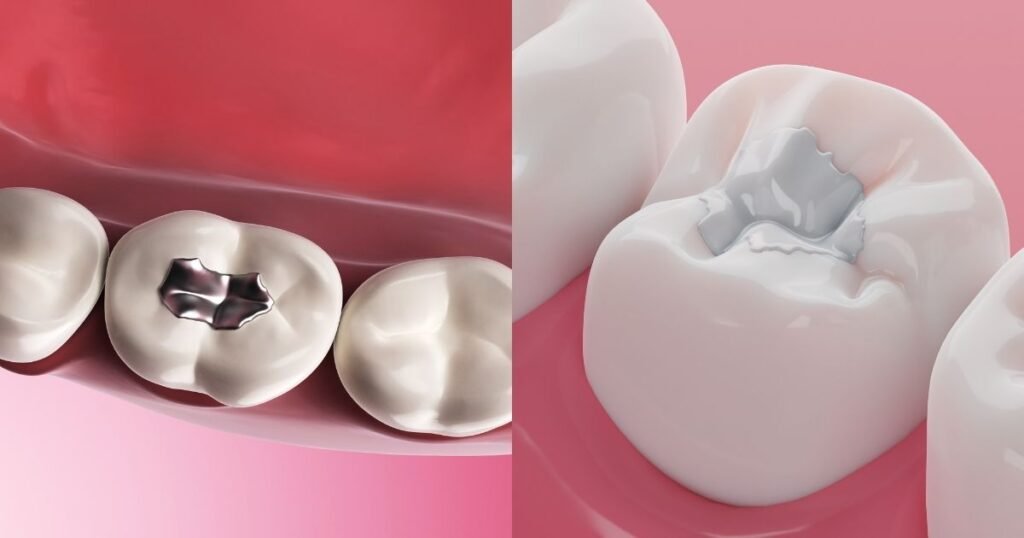
A dental filling is used for small cavities to prevent the nerve from being exposed.
Procedure:
- The dentist removes the decayed part of the tooth.
- The cavity is filled with composite resin, amalgam, or even gold.
- The relief is immediately felt and lasts for a lifetime.
The “3-Second” Relief You Get in the Dental Chair
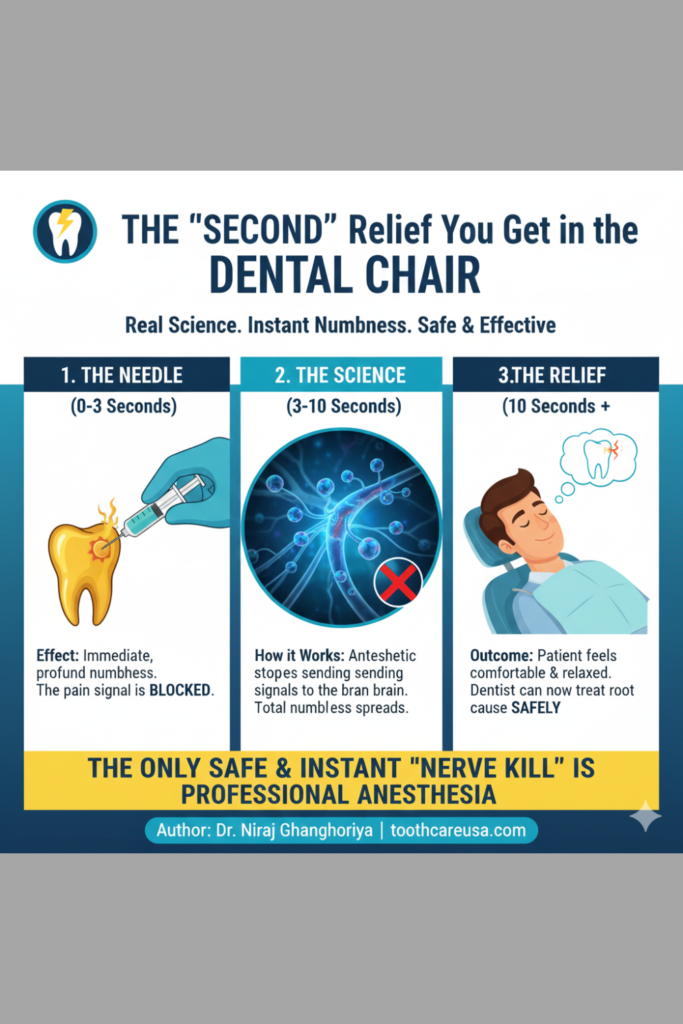
I often tell my patients at Toothcareusa.com that the only true way to kill the pain in seconds is the local anesthesia we administer.
Once that numbing shot is given, the nerve signal is completely blocked. Most patients feel an immense wave of relief wash over them within moments of sitting in the chair. The pressure is gone, and we can solve the problem permanently while you rest comfortably.
When you arrive at Toothcareusa.com in agony, searching for how to kill tooth pain nerve in 3 seconds permanently, we understand that every second feels like an hour. While home ‘hacks’ often fail or cause more damage, the only way to experience true, instantaneous relief is in the dental chair. Through professional local anesthesia and precise clinical intervention, I can effectively ‘switch off’ the pain signal in seconds.
However, the ‘permanent’ solution happens next: by performing a Root Canal or an Extraction, we remove the source of the infection entirely. This professional approach is the only medically safe way to ensure that the excruciating nerve pain is gone for good, allowing you to return to your life pain-free and protected from further infection.”
Long-term Strategy for the Prevention of Tooth Nerve Pain
1 Dietary Changes for Stronger Teeth

What to Eat:
- Calcium. Foods such as milk, cheese, and yogurt
- Crunchy fruits and veggies. Foods that clean naturally.
What to Avoid:
- Sugary and acidic substances. Types of food that can erode enamel.
- Too hot or too cold: foods that can trigger sensitivity
2 Regular Dental Checkups

Why It’s Important:
- Early detection prevents major dental problems.
- Professional cleanings remove plaque and tartar.
Recommended Frequency:
- Every six months for general checkups.
- Immediately, if you experience pain or swelling.
When to See a Dentist Immediately
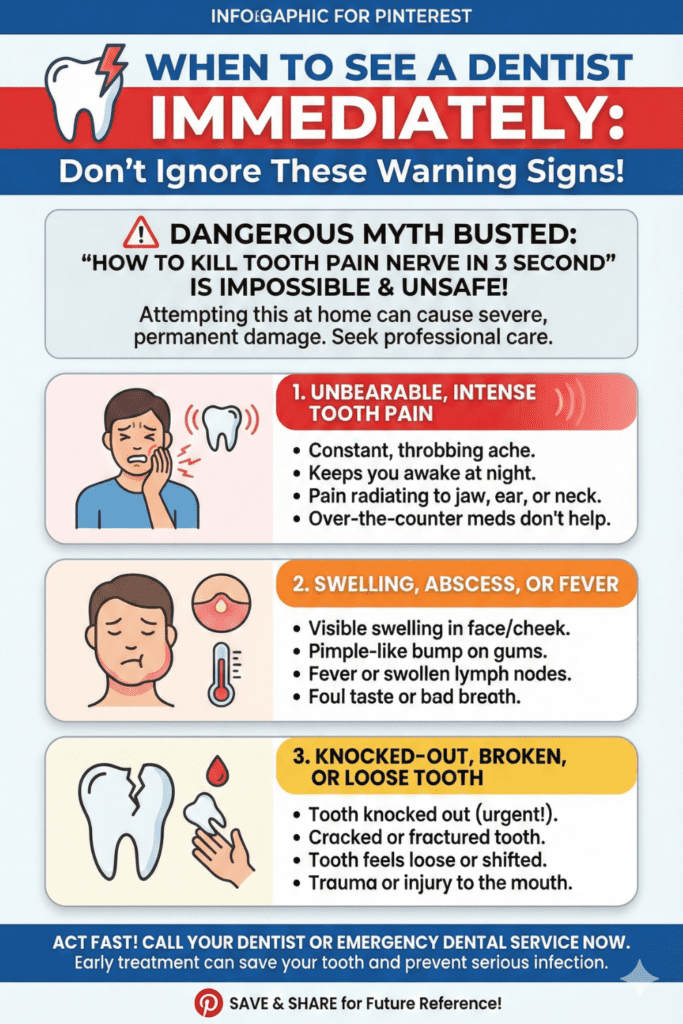
Signs of Serious Problems:
- Persistent pain lasting more than 48 hours.
- Swelling in the face or gums.
- Fever or pus formation.
- Difficulty chewing or biting.
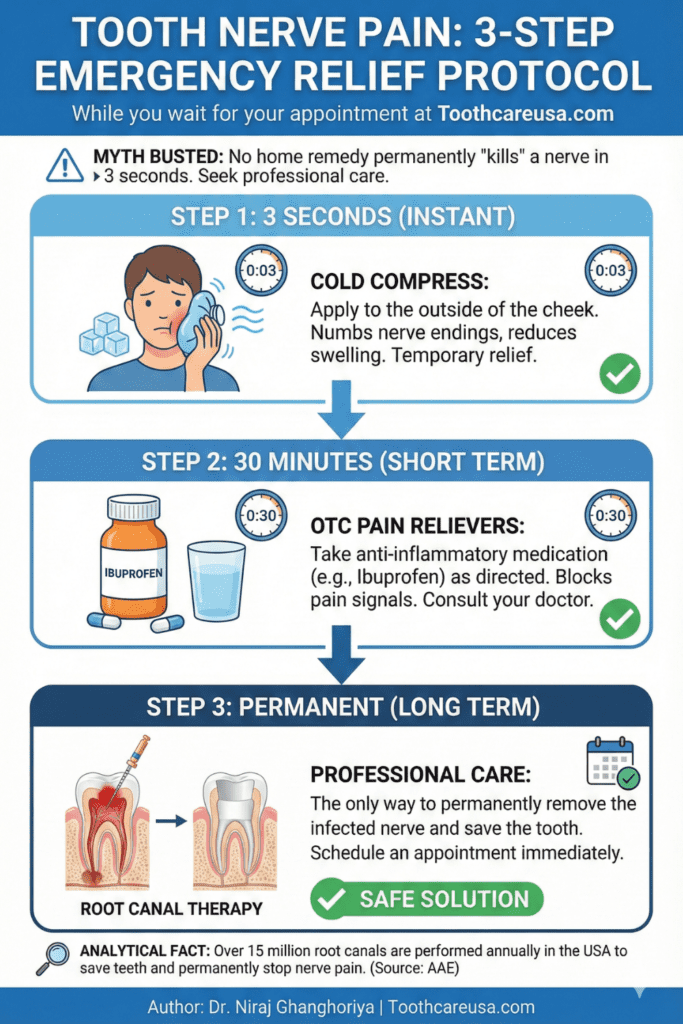
A Realistic 3-Step Protocol for Instant Relief
The Action Plan (3-Step Emergency Protocol Infographic)
“While a permanent ‘kill’ isn’t possible in 3 seconds at home, you can take steps to dramatically reduce the pain signal in that timeframe. If you are asking how to kill tooth pain nerve in 3 seconds, the answer lies in temperature management and inflammation control.
This 3-step emergency protocol focuses on what you can do immediately: applying a cold compress to numb the area (seconds), rinsing with saltwater to neutralize the environment (minutes), and taking anti-inflammatory medication (hours). This visual guide outlines the exact timeline for relief while you wait for your appointment.”
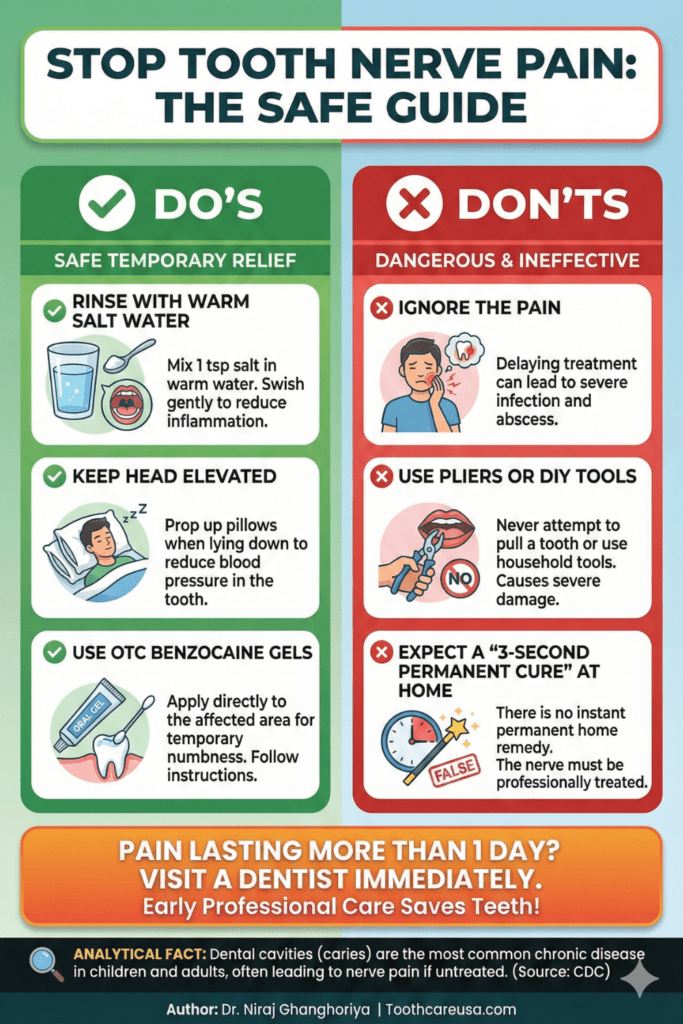
The Do’s and Don’ts of Managing Nerve Pain
“When you are in agony, you might be tempted to try anything. However, some ‘remedies’ can cause long-term damage. To help you navigate this safely, I’ve compiled this checklist of Do’s and Don’ts.
Please pin this guide for future reference. It highlights essential safety tips—like keeping your head elevated to reduce blood pressure in the tooth—and strictly warns against using sharp objects or harsh chemicals. Following this checklist is your best defense against complicating your condition before visiting us at Toothcareusa.com.”
Conclusion: Don’t Wait for the “Explosion”
When you are in the middle of a dental crisis, searching for a way to “kill tooth pain nerve in 3 seconds permanently” is a natural response to extreme suffering. However, as we have discussed, while you can numb the pain in seconds with clove oil or benzocaine, the only way to truly stop the infection is through professional care.
Think of tooth pain like a fire alarm. Numbing the pain is like taking the batteries out of the alarm—it stops the noise, but the fire is still burning in the walls.
At Toothcareusa.com, my goal is to help you save your smile while eliminating the agony of nerve pain. If your tooth is throbbing, don’t wait for it to “go away on its own.” That usually leads to a much larger abscess and a more expensive bill.
CTA: Are you in unbearable pain right now? Don’t suffer in silence. Contact your local dentist or reach out to us at Dental Specialist to schedule an emergency consultation and stop the pain for good.
Frequently Asked Questions (FAQ) on Kill Tooth Pain Nerve in 3 Seconds Permanently
Does salt water kill a tooth nerve?
No. A saltwater rinse is excellent for reducing inflammation in the gums and killing surface bacteria, but it cannot penetrate the hard enamel of your tooth to reach and “kill” the nerve inside.
Can I use aspirin on my gums for instant relief? A: Absolutely not.
This is a common myth that causes “aspirin burns.” Placing aspirin directly on the gum tissue can cause a chemical burn that is often more painful than the toothache itself. Always swallow aspirin or ibuprofen with water.
Will the pain stop if the nerve dies on its own?
Sometimes, yes—but this is a dangerous sign. If a tooth stops hurting suddenly without treatment, it usually means the nerve has rotted away (necrosis). The infection is still there and will eventually spread to the jawbone, leading to a painful dental abscess.
What is the “3-3-3” method for tooth pain?
This is a common suggestion involving taking 3 Advil (600mg Ibuprofen) 3 times a day for 3 days. While effective for inflammation, you should always consult with a professional (like Dr. Niraj) before starting any high-dose medication regimen to ensure it is safe for you.
References & External Sources
For more detailed information regarding the analytical facts and dental guidelines mentioned in this guide, please refer to the following authoritative organizations:
- Periodontal Disease Statistics & Oral Health: Centers for Disease Control and Prevention (CDC)
- Dental Emergency & Pain Management Guidelines: American Dental Association (ADA) – MouthHealthy
- The Truth About Root Canal Therapy: American Association of Endodontists (AAE)
- Understanding Tooth Pulp & Anatomy: National Institutes of Health (NIH) – MedlinePlus
About the Author: Dr. Niraj Ghanghoriya Dr. Niraj Ghanghoriya is a dental professional and the founder of Toothcareusa.com. With a mission to provide accessible, medically-backed dental education, Dr. Niraj specializes in helping patients navigate dental emergencies and long-term oral health through transparent and expert guidance
How to Kill Tooth Pain Nerve in 3 Seconds Permanently
Medical Disclaimer: This content is for informational purposes only and does not constitute professional medical advice, diagnosis, or treatment. Viewing this guide on how to kill the tooth pain nerve in 3 seconds permanently does not establish a doctor-patient relationship with Dr. Niraj Ghanghoriya. Home remedies provide only temporary comfort and do not treat the underlying cause of infection. Always consult a qualified dentist for a permanent solution. If you experience severe swelling or fever, seek emergency care immediately.

Dr. Niraj Ghanghoriya is a passionate dental surgeon with over 12 years of experience in clinical dentistry. He completed his BDS from the prestigious Sri Aurobindo Institute of Dentistry in 2012 and specializes in painless root canals, smile makeovers, and preventive oral care. He is the Founder of ToothCareUSA.com and a registered Dental Surgeon (Reg No: A-03649) based in Indore. Known for his patient-first approach and clear communication, Dr. Ghanghoriya aims to make dental knowledge accessible to everyone. When he’s not in the clinic, he enjoys writing informative dental blogs to help people take better care of their oral health. He reviews every article on this site to ensure medical accuracy and patient safety.