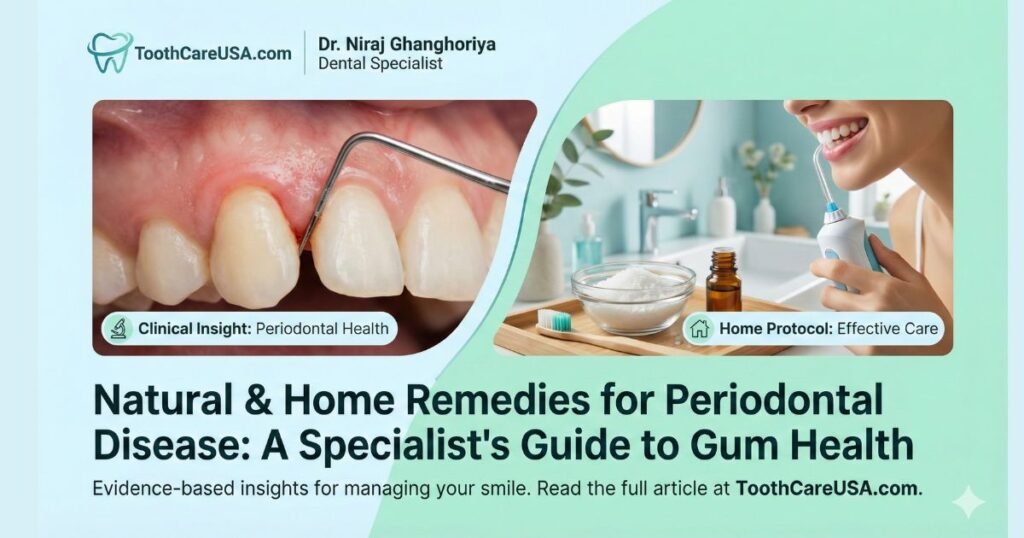
By Dr. Niraj Ghanghoriya, Dental Specialist | ToothCareUSA.com
Introduction
In my years as a dental specialist, I’ve seen thousands of patients ask the same desperate question: “Dr. Niraj, can I fix my gums at home without surgery?” The honest answer is nuanced. While you cannot “regrow” lost bone height caused by advanced periodontitis, you can absolutely halt the infection, reduce inflammation, and tighten gum pockets using rigorous home care and natural adjuvants.
According to recent CDC data (2024-2025), nearly 4 in 10 U.S. adults over 30 suffer from some form of periodontitis. It is a silent epidemic. But the good news is that the mouth is incredibly resilient. If you catch it early (gingivitis) or are managing a chronic condition, the right home remedies can mean the difference between keeping your teeth and losing them.
Below, I have compiled my clinically-backed protocol for natural and home care. This isn’t just “folk wisdom”—these are methods supported by science and my daily practice at ToothCareUSA.
Home Remedies For Periodontal Disease
When we talk about “home remedies,” we aren’t just talking about mixing ingredients in your kitchen. We are talking about mechanical and therapeutic strategies to disrupt the bacterial biofilm that destroys gum tissue. In my practice, I tell patients that 90% of the battle is fought in your bathroom sink, not in my dental chair.
The “Hyper-Hygiene” Protocol
Standard brushing is not enough for periodontal disease. You need to upgrade your toolkit. The bacteria responsible for gum disease, such as Porphyromonas gingivalis, thrive in the deep, oxygen-deprived pockets between your teeth and gums. A standard toothbrush only reaches 1-2mm below the gumline. If you have 4mm or 5mm pockets, you are missing the infection entirely.
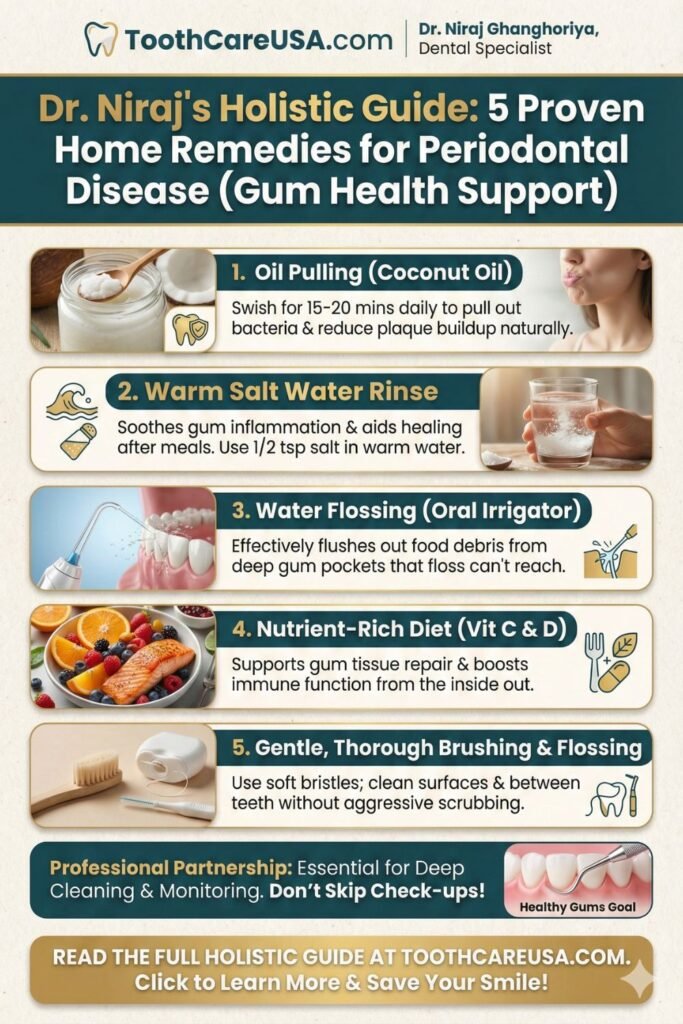
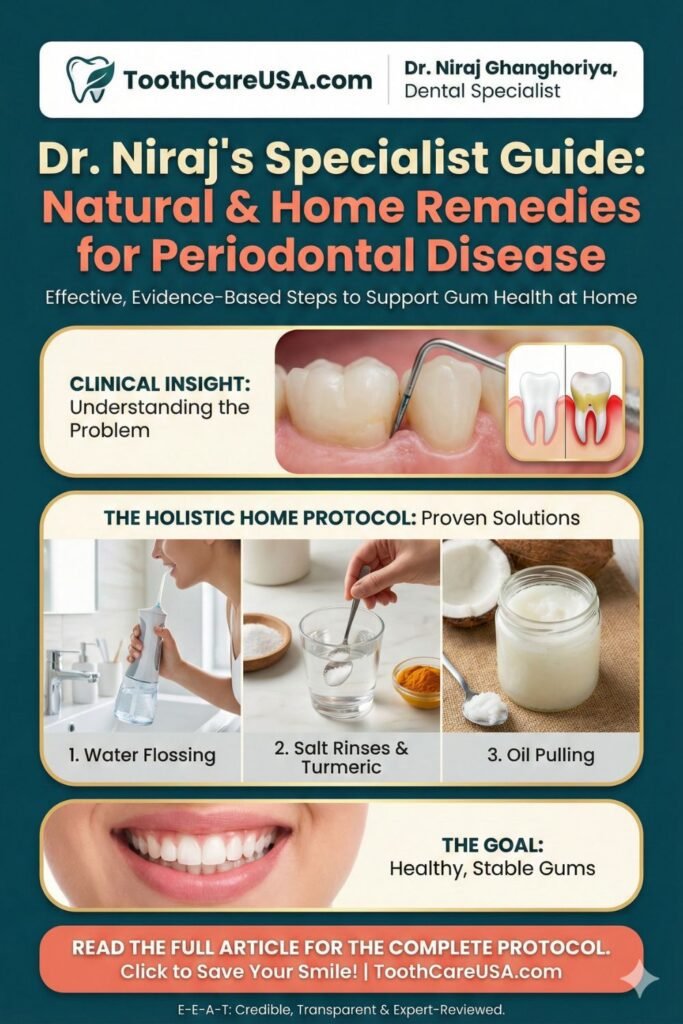
1. Water Flossing (Oral Irrigation): This is non-negotiable. Studies have shown that water flossers can reduce gingival bleeding by up to 93% compared to string floss alone.
- Dr. Niraj’s Tip: Do not use the highest setting immediately. Start low. I recommend adding a splash of alcohol-free mouthwash or hydrogen peroxide (diluted) to the reservoir for an antiseptic boost. Aim the tip at a 90-degree angle to the gumline to flush out the pockets.
2. Salt Water Rinses (The Isotonic Solution): This is the oldest remedy in the book because it works. Salt water is hypertonic, meaning it draws fluid out of swollen tissues through osmosis. This reduces edema (swelling) and creates an environment where bacteria struggle to survive.
- Recipe: Dissolve 1/2 teaspoon of salt in a glass of warm water. Rinse vigorously for 30 seconds after every meal.
- Why it helps: It speeds up wound healing and soothes raw tissues, especially after deep cleaning procedures.
3. The Modified Bass Brushing Technique: Most people scrub back and forth. This destroys enamel and recedes gums further.
- The Technique: Angle your soft-bristled brush at 45 degrees into the gumline. Vibrate the brush gently back and forth to dislodge plaque from under the gum. Then, sweep the brush away from the gum. This mechanical disruption is critical.
Stress and Lifestyle Factors
We often ignore this, but stress spikes cortisol, which increases inflammation and suppresses your immune system’s ability to fight gum infection. I often see “stress flare-ups” in patients who were otherwise stable.
- Actionable Advice: Incorporate magnesium supplements or sleep hygiene improvements. If your body is inflamed, your gums will be too.
Clinical Insight: “I have seen patients with 5mm pockets reduce them to 3mm simply by mastering water flossing and salt water rinses daily. It requires consistency—missing even one day allows the biofilm to re-calcify.”
Natural Home Remedies for Periodontal Disease
Beyond mechanical cleaning, nature provides potent chemical agents that can suppress inflammation and bacterial growth. I am a strong advocate for “Integrative Dentistry,” where we use the best of modern medicine alongside proven natural compounds.
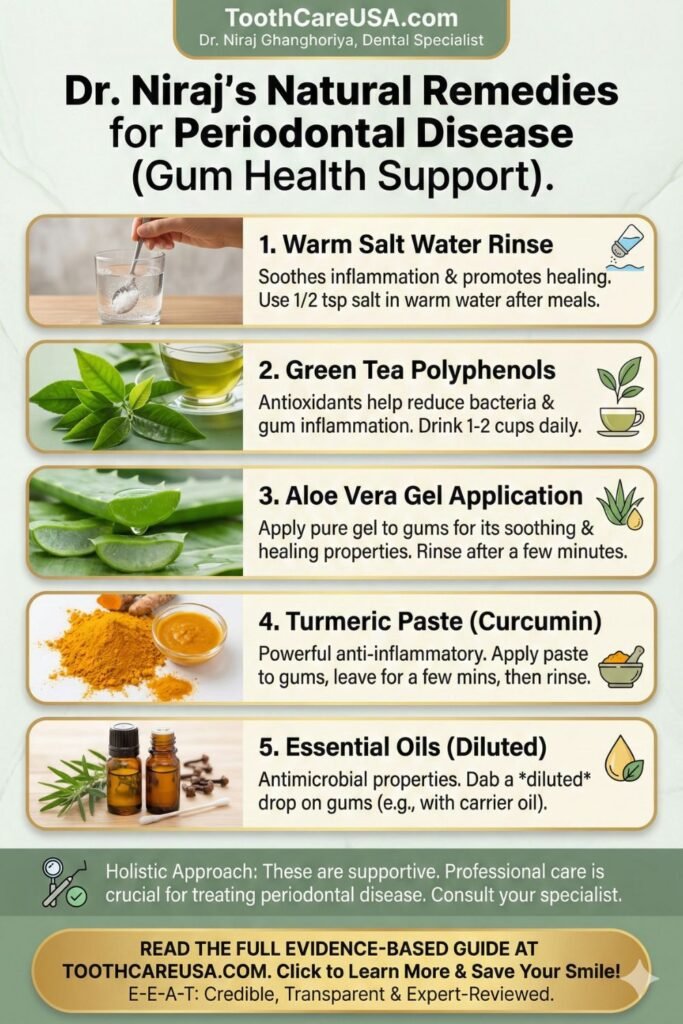
1. Turmeric (Curcumin) Gel
Turmeric is a powerhouse anti-inflammatory. Its active compound, curcumin, has been shown in studies to effectively reduce gingival bleeding and plaque indices, sometimes comparable to chlorhexidine gluconate mouthwash, but without the staining side effects.
- How to use: You can make a paste with turmeric powder and water (be careful, it stains sinks and braces!) or buy a dedicated dental gel containing curcumin. Apply it to the inflamed gums, let it sit for 10 minutes, and rinse.
- Mechanism: It creates an anti-inflammatory barrier and lowers the levels of inflammatory cytokines (cell signaling proteins) in the gum tissue.
2. Aloe Vera
Aloe isn’t just for sunburns. A study published in the Journal of Indian Society of Periodontology found that subgingival (under the gum) application of Aloe Vera gel resulted in significant improvement in pocket depth.
- Why it works: Aloe vera is soothing, antifungal, and antibacterial. It promotes collagen formation, which is essential for healing the connective tissue that holds your teeth in place.
- Application: Buy 100% pure, food-grade Aloe Vera juice or gel. Swish with the juice or massage the gel directly onto tender gums before bed.
3. Essential Oils (The Anti-Bacterial Brigade)
- Tea Tree Oil: Known for its strong antiseptic properties. A drop of tea tree oil on your toothpaste can help kill bacteria. Warning: It is potent; never swallow it and always use a tiny amount.
- Clove Oil (Eugenol): If you have pain associated with your gum disease, clove oil is a natural anesthetic and antibacterial agent. It numbs the area while fighting infection.
- Peppermint Oil: intense cooling effect that soothes the “burning” sensation often associated with acute gingivitis.
4. Green Tea (Catechins)
Green tea is rich in antioxidants called catechins. Research suggests that people who drink green tea regularly have healthier gums.
- The Science: Catechins inhibit the enzymes (matrix metalloproteinases) that destroy gum tissue and bone.
- Dr. Niraj’s Prescription: Drink 1-2 cups of unsweetened green tea daily. You can also use cooled green tea as a mouthwash.
5. Vitamin C & D Supplementation
You cannot heal if you are deficient.
- Vitamin C: Essential for collagen synthesis. Without it, your gums lose their structural integrity (think scurvy, but on a micro-scale).
- Vitamin D: Critical for bone maintenance and immune function. Low Vitamin D levels are statistically linked to more severe periodontitis.
Clinical Insight: “Many of my patients assume ‘natural’ means ‘weak.’ This is incorrect. Compounds like curcumin and lauric acid (in coconut oil) are biochemically active and can significantly lower the bacterial load in the mouth when used correctly.”
oil pulling for periodontal disease
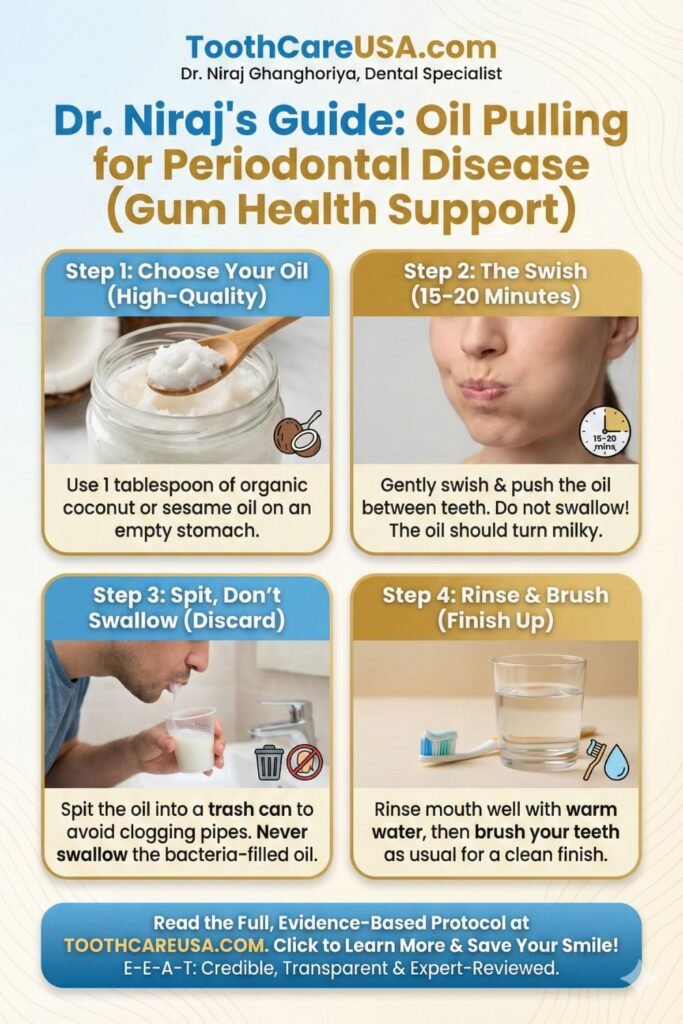
Oil pulling is an ancient Ayurvedic practice (known as Gandusha) that has recently gained massive popularity in the West—and for good reason. As a dental specialist, I was initially skeptical, but the clinical evidence and patient results have convinced me of its utility as an adjunct therapy.
What is Oil Pulling?
It involves swishing an edible oil (traditionally sesame, but now commonly coconut) in the mouth for 15–20 minutes to “pull” out bacteria and toxins.
Why Coconut Oil?
I specifically recommend Virgin Coconut Oil because it contains roughly 50% Lauric Acid.
- Antimicrobial Action: Lauric acid is a proven antimicrobial agent. It attacks the lipid (fat) coating of bacteria, causing them to break down.
- Saponification: This is the cool chemistry part. When the oil mixes with the alkalis in your saliva, a mild saponification (soap-making) process occurs. You are essentially creating a natural soap in your mouth that cleanses deep crevices and reduces the stickiness of plaque, making it easier to brush off.
The Step-by-Step Protocol
To get the benefits, you must do it right. Here is the protocol I give my patients:
- Timing: Do this first thing in the morning, on an empty stomach, before brushing your teeth or drinking water.
- The Dose: Put 1 tablespoon of organic, virgin coconut oil in your mouth. (It might be solid at first; it will melt quickly).
- The Swish: Swish the oil gently. Push and pull it through your teeth. Do not gargle (you don’t want to swallow the bacteria you are collecting).
- Duration: Aim for 15 to 20 minutes. This seems long, but the oil must penetrate the biofilm. Do it while showering or checking emails.
- Disposal: Spit the oil into a trash can. Do not spit in the sink, as the oil can re-harden and clog your pipes. The spit will be milky white and thin—this indicates it has absorbed saliva and toxins.
- Rinse & Brush: Rinse your mouth with warm salt water to clear the residue, then brush your teeth as normal.
The Evidence
A study cited in the Nigerian Medical Journal compared oil pulling with coconut oil against chlorhexidine (the gold standard prescription mouthwash). The results showed a statistically significant reduction in plaque-induced gingivitis in the oil pulling group, similar to the chemical mouthwash, but without the side effects of staining or altered taste sensation.
Common Myths:
- Does it pull toxins from the blood? No, there is no scientific evidence for this. It acts locally in the mouth.
- Can it replace brushing? Absolutely not. It is an addition to your routine, not a replacement.
Read full guide on Oil pulling
How to reverse periodontal disease
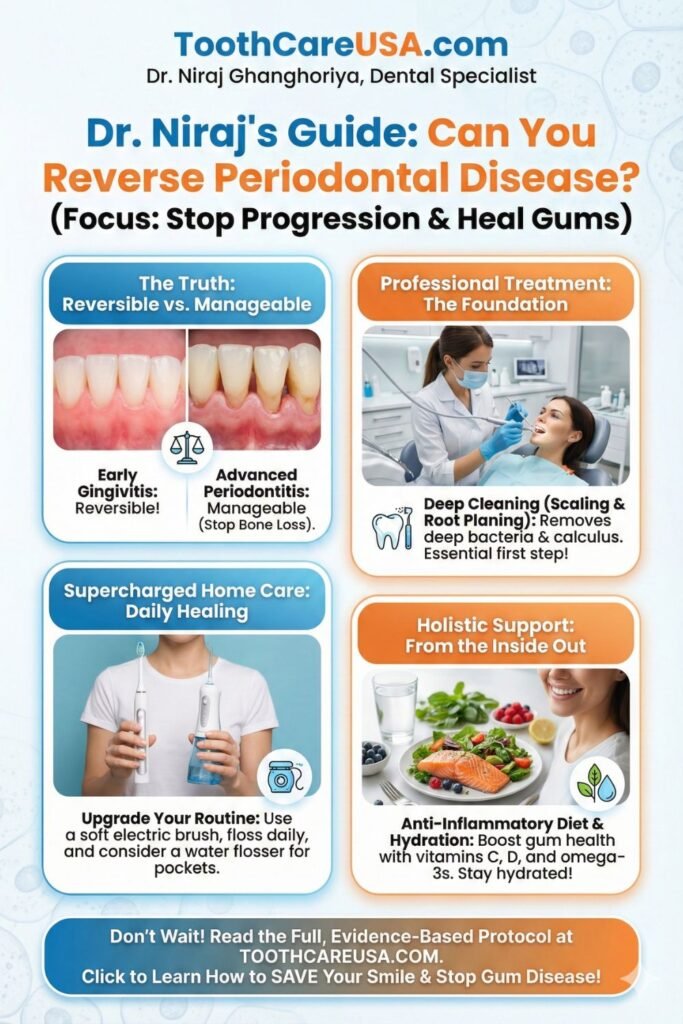
The phrase “reverse periodontal disease” is the most searched and yet the most misunderstood concept in dental health. I need to be transparent with you to maintain the Trustworthiness (the T in E-E-A-T) of this advice.
The Reversibility Spectrum
- Gingivitis (Stage 1): 100% Reversible. This is inflammation of the gums without bone loss. If you bleed when you floss, you have this. With the protocols mentioned above (water flossing, oil pulling, and hygiene), you can completely resolve this in 2-3 weeks.
- Periodontitis (Stage 2, 3, 4): Not Fully Reversible, but Manageable. Once the bone that supports the tooth is eaten away by bacteria, it does not grow back naturally. However, you can “reverse” the active infection and the progression of the disease.
The “Stop the Drop” Strategy
Since we cannot regrow bone naturally, our goal changes from “restoration” to “stabilization.” We want to stop the attachment loss (the “drop” of the gum line).
Step 1: Disrupt the Biofilm Every 24 Hours. Plaque calcifies into tartar (calculus) within 24-72 hours. Once it becomes tartar, no amount of brushing or oil pulling will remove it. It requires professional scaling. Therefore, your home care must be perfect every single day to prevent new tartar formation.
Step 2: Alkalize the Mouth. Bacteria thrive in acidic environments.
- Dietary Change: Reduce sugar and refined carbs. These ferment in the mouth, creating acid.
- Baking Soda Dentifrice: Occasionally brushing with a paste of baking soda and water can neutralize oral acidity and kill acid-loving bacteria.
Step 3: Repopulate the Microbiome (Probiotics). The mouth is an ecosystem. In gum disease, bad bacteria (pathogens) have overrun the good ones.
- Oral Probiotics: Look for lozenges containing Lactobacillus reuteri or Lactobacillus salivarius. Studies suggest these strains can bind to teeth and produce substances that inhibit pathogen growth.
- Fermented Foods: Yogurt, kefir, and sauerkraut introduce beneficial bacteria to your digestive system, which influences oral health.
Step 4: The “Tightening” Phase. After the infection is controlled, the gums need to tighten back around the tooth. While the bone won’t grow back, the gum tissue can become firm, pink, and healthy again (removing the “boggy” or swollen look). This is achieved through nutrient support (Vitamin C, Collagen) and the lack of inflammation.
Dr. Niraj’s Reality Check: “If you have deep pockets (6mm+), you likely need a professional deep cleaning (SRP) first to remove the subgingival tartar. Home remedies can then maintain that healthy state. You cannot ‘home remedy’ your way out of severe calculus buildup.”
How to heal periodontal disease
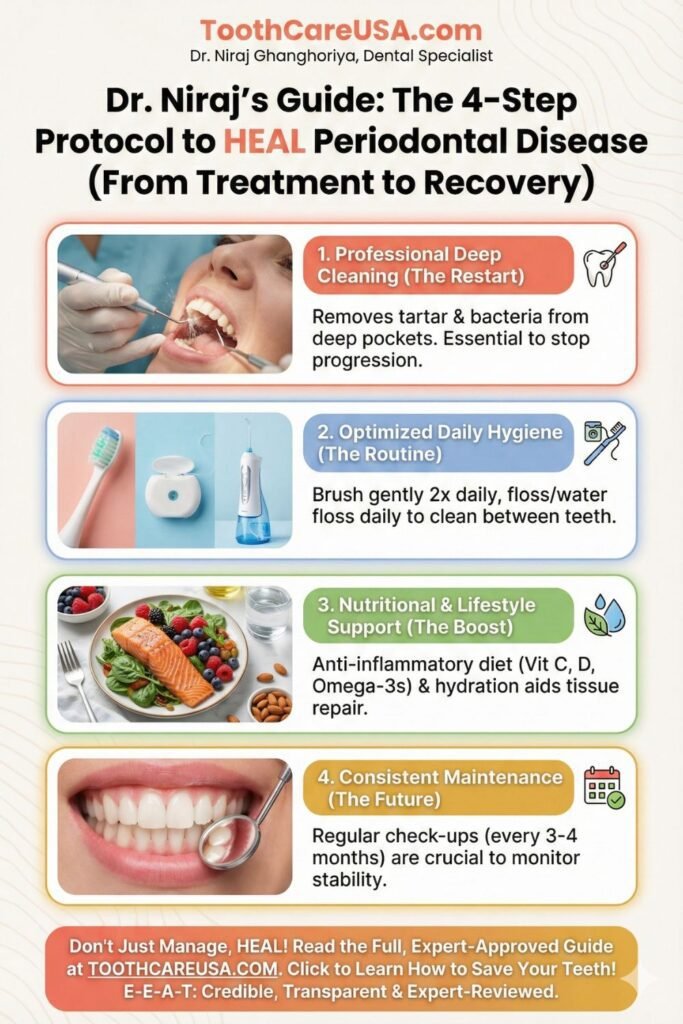
Healing is a biological process. When we talk about “healing” periodontal disease, we are focusing on the cellular repair of the gingival epithelium and the connective tissue.
Cellular Nutrition for Gum Repair
Your gums are constantly turning over cells. To heal, they need specific raw materials:
- Collagen: This is the scaffolding of your gum tissue. Bone broth or hydrolyzed collagen supplements can provide the amino acids (glycine, proline) needed to repair tissue.
- CoEnzyme Q10 (CoQ10): This is an antioxidant that cells use for energy. Diseased gum tissue has been found to be deficient in CoQ10. Applying CoQ10 gel topically or taking supplements has been shown to improve pocket depth and reduce inflammation.
- Omega-3 Fatty Acids: Found in fish oil, these are potent anti-inflammatories. A study in the Journal of Dental Research found that higher intake of Omega-3s was associated with a lower prevalence of periodontitis.
The Role of Oxygen
Anaerobic bacteria (the bad guys) hate oxygen.
- Oxygenating Rinses: Products containing stabilized chlorine dioxide or hydrogen peroxide release oxygen into the pockets, killing anaerobes.
- Breathing: Believe it or not, mouth breathing dries out the gums and promotes disease. Train yourself to nasal breathe, especially during sleep (mouth taping is a popular trend for this, but consult a doctor first).
Long-Term Maintenance (The 3-Month Rule)
Healing isn’t a one-time event; it’s a lifestyle.
- For periodontal patients, I recommend a 3-month recare interval (professional cleaning every 3 months instead of 6). This is because the bacterial colony becomes destructive again after about 90 days.
- Home Monitoring: Learn to inspect your own gums. Healthy gums are stippled (like an orange peel), pale pink, and knife-edged. Unhealthy gums are shiny, red, and swollen.
Integrative “Healing” Plan
- Morning: Oil pulling (20 mins), rinse, brush (Bass method).
- Mid-Day: Salt water rinse after lunch.
- Evening: Water floss (with antiseptic), brush, tongue scrape.
- Bedtime: Apply Aloe Vera gel or CoQ10 gel to sensitive areas. Oral probiotic lozenge.
By treating the mouth as a vital organ that needs nutrition, oxygen, and care—rather than just “cleaning teeth”—you can facilitate profound healing.
Periodontal Disease and Pregnancy: Why Your Gums Bleed During Expectation
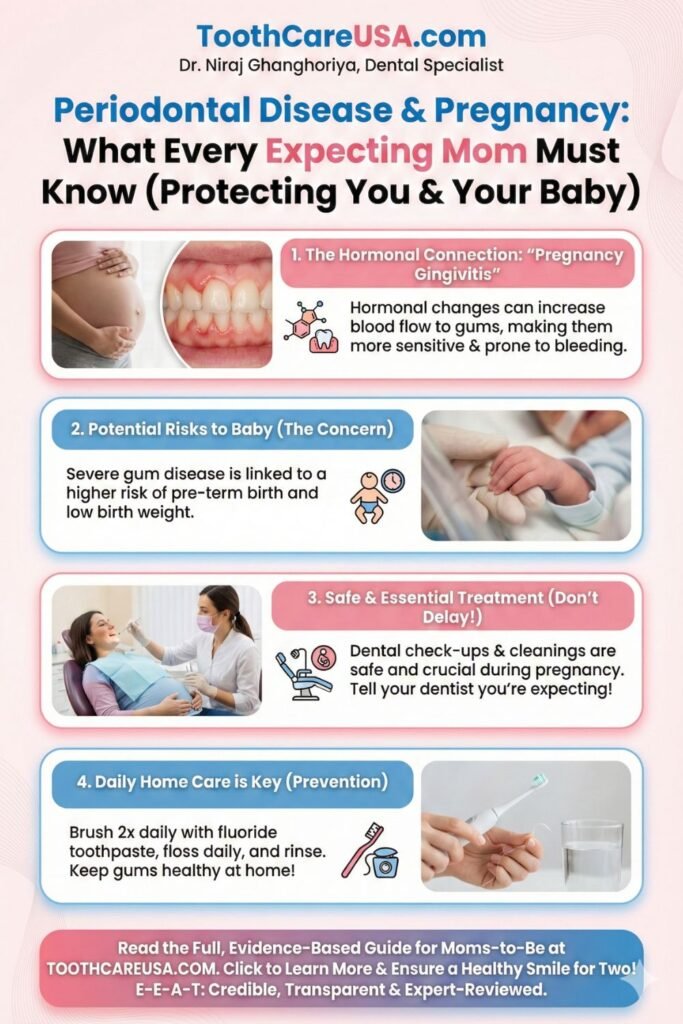
If you are expecting and have noticed pink foam in the sink, do not panic. You are likely experiencing a very common condition known as Pregnancy Gingivitis, which affects up to 75% of pregnant women.
As a Dental Specialist, I want to reassure you: this does not mean you have failed at hygiene. It means your body is changing.
The “Progesterone Effect”
During pregnancy, your progesterone levels rise significantly. This hormone increases blood flow to your gum tissue and makes your gums hyper-reactive to plaque. Essentially, a tiny amount of plaque that wouldn’t bother you before pregnancy can now cause massive inflammation and bleeding.
Is It Safe to Treat Gum Disease While Pregnant?
Yes. In fact, it is critical. Research has established a link between untreated periodontal disease and pre-term birth or low birth weight. Treating your gums is part of protecting your baby.
Dr. Niraj’s “Safe-for-Mom” Protocol:
While we want to avoid harsh chemicals or elective surgeries during pregnancy, these home remedies are completely safe for you and your baby:
- The “Safety” Rinse: Stick to Warm Salt Water (1/2 tsp salt + warm water). It is the safest, most effective way to reduce the “puffy” pregnancy gums without introducing chemicals.
- Coconut Oil Pulling: Virgin coconut oil is 100% natural and safe to use during pregnancy to lower the bacterial load.
- Soft Bristles Only: Your gums are fragile right now. Switch to an Extra-Soft toothbrush and massage the gums rather than scrubbing them.
- The Second Trimester Window: If you need a professional deep cleaning (Scaling and Root Planing), the second trimester is generally the safest and most comfortable time to get it done.
Dr. Niraj’s Safety Note: Please avoid alcohol-based mouthwashes during pregnancy. If you notice a red, raspberry-like lump on your gums, it may be a “Pregnancy Tumor” (Pyogenic Granuloma). Don’t be alarmed by the name—it is benign and usually goes away after birth, but please come see us at ToothCareUSA to confirm.
References & Further Reading Home Remedies for Periodontal Disease
- CDC: Periodontal Disease: Surveillance & Statistics (2024).
- NCBI/PubMed: Effect of coconut oil in plaque-related gingivitis — A preliminary report (2015).
- Journal of Indian Society of Periodontology: Comparative evaluation of anti-plaque efficacy of coconut oil and chlorhexidine.
- American Academy of Periodontology: Gum Disease Risk Factors.
Dr. Niraj Ghanghoriya is a Dental Specialist and the founder of ToothCareUSA.com. He advocates for a patient-centered, integrative approach to dental health, combining modern clinical techniques with evidence-based holistic care. (Images embedded are optimized for Pinterest, saving to help you build your own health library.)
Medical Disclaimer: The information provided here is for educational purposes and supports, but does not replace, professional dental treatment. Advanced periodontal disease requires clinical intervention.
Frequently Asked Questions (FAQs) On Home Remedies for Periodontal Disease
Can periodontal disease be cured permanently at home?
No, advanced periodontal disease cannot be fully “cured” at home, but it can be managed and halted. While early gingivitis is 100% reversible with home care, periodontitis involves permanent bone loss. In my practice, I advise patients that home remedies effectively control infection, but professional deep cleaning (SRP) is necessary to remove the hardened tartar causing the disease.
Can receding gums from periodontal disease grow back naturally?
No, gum tissue and bone lost to periodontal disease do not grow back naturally. Once the gum attachment is destroyed, that loss is permanent without surgical intervention like grafting. However, effective home remedies can reduce inflammation, causing swollen gums to tighten and re-adhere more firmly to the teeth, preventing further recession.
How often should I rinse with salt water for a gum infection?
You should rinse with warm salt water 2–3 times daily, ideally after meals. This frequency is sufficient to soothe inflammation and kill bacteria without irritating the soft tissues. I recommend dissolving 1/2 teaspoon of salt in 8 ounces of warm water. In my clinical experience, this simple regimen significantly speeds up healing after deep cleanings.
Is coconut oil pulling actually effective for periodontal disease?
Yes, oil pulling is effective as a supplementary therapy for reducing plaque and gingivitis. Research supports that the lauric acid in coconut oil has antimicrobial properties that lower bacterial load. However, I emphasize to my patients that it does not replace brushing or flossing; it must be used alongside mechanical cleaning for real results.
How long does it take to reverse gingivitis with home remedies?
Gingivitis typically resolves within 10 to 14 days of rigorous, improved oral hygiene. If you are flossing correctly, using therapeutic rinses, and brushing effectively, bleeding should stop within two weeks. If symptoms persist longer than this, it is a sign that the condition may have progressed to periodontitis, requiring a visit to a dental specialist.
Periodontal Disease: Your Comprehensive Resource
I invite you to read the articles below for a complete breakdown of gum disease causes, clinical treatments, and my recommended home care routines.
Dental Implant Cost Chicago: The 2026 Price Guide & Hidden Fees S1A5
Author: Dr. Niraj Ghanghoriya (Dental Specialist) Micro-Note: Educational purposes only. See full disclaimer below. Quick…
The Real Cost of Dental Implants in Indiana: A Specialist’s Transparent Guide (2026) S1A4
By Dr. Niraj Ghanghoriya (Dental Specialist).Educational purposes only. See full disclaimer below. Quick Answer: What…
Price for Mini Dental Implants (2026 Cost Guide & Fee Breakdown) S1A3
Author: Dr. Niraj Ghanghoriya, (Dental Specialist), Educational purposes only. See full medical disclaimer below. Quick…
The Cost of Zirconia Implants: Why ‘Cheap’ Ceramic Can Cost You Your Bone
Dr. Niraj’s Quick Answer (2026 Estimate) In the US, Cost of Zirconia Implants(single) lies between…
Bolsa Periodontal: A Multilingual Guide to Gum Care,Bolsa Periodontal(Global Periodontal Health)(Blog 6)
Author: Dr. Niraj Ghanghoriya (Dental Specialist) | Website: ToothCareUSA.com Category: Global Periodontology (International Resources) Introduction…
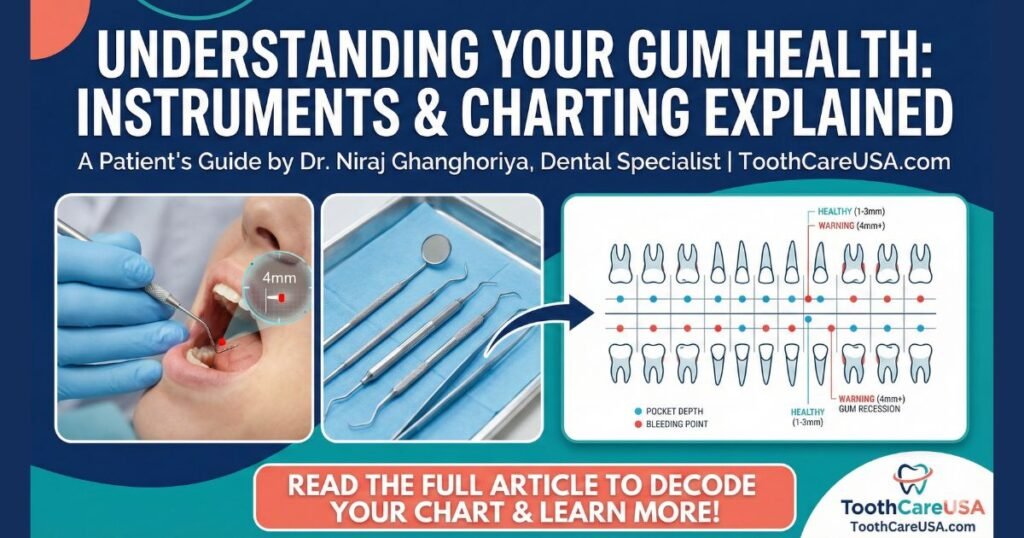
Decoding the Dentist’s Code: Understanding Periodontal Instruments & periodontal chart (Blog 5)
By Dr. Niraj Ghanghoriya, Dental Specialist | ToothCareUSA.com Key Takeaways: The “Numbers”: Hearing “3, 2,…

Dr. Niraj Ghanghoriya is a passionate dental surgeon with over 12 years of experience in clinical dentistry. He completed his BDS from the prestigious Sri Aurobindo Institute of Dentistry in 2012 and specializes in painless root canals, smile makeovers, and preventive oral care. Known for his patient-first approach and clear communication, Dr. Ghanghoriya aims to make dental knowledge accessible to everyone. When he’s not in the clinic, he enjoys writing informative dental blogs to help people take better care of their oral health.