Are you experiencing discomfort from your wisdom teeth? Or perhaps your dentist has recommended their removal, and now you’re wondering, “What is the actual wisdom teeth removal cost?” You’re not alone. Many people are apprehensive about both the procedure and the potential financial impact.
This guide will break down everything you need to know about the cost of wisdom teeth removal, helping you understand the factors involved, potential hidden expenses, and ways to make it more affordable.
Why Do Wisdom Teeth Need to Be Removed?

Before diving into costs, it’s helpful to understand why removal is often necessary. Wisdom teeth, or third molars, are the last teeth to erupt, typically between the ages of 17 and 25. Often, there isn’t enough room in the jaw for them to come in properly, leading to various problems:
- Impaction: The tooth gets stuck under the gum or bone.
- Pain and Swelling: From impaction or pressure on other teeth.
- Infection: Bacteria can get trapped around a partially erupted wisdom tooth.
- Damage to Adjacent Teeth: Pressure can cause shifting or damage to molars.
- Cysts or Tumors: Rarely, cysts can form around impacted wisdom teeth.
The Core Factors Influencing Wisdom Teeth Removal Cost

The price tag for wisdom teeth removal isn’t one-size-fits-all. Several key factors determine the final bill:
- Complexity of the Extraction (The Biggest Factor):
- Simple Extraction: If the wisdom tooth has fully erupted and is easily accessible, it’s considered a simple extraction. These are less expensive, often performed by a general dentist.
- Surgical Extraction (Impacted): If the tooth is partially or fully impacted (stuck in the jawbone or gum), it requires a surgical procedure. This is more complex, often requiring an oral surgeon, and thus costs more. The deeper the impaction, the higher the cost.
- Number of Teeth Being Removed:
- Removing one wisdom tooth will naturally cost less than removing all four. However, some clinics offer package deals for multiple extractions, which can be more cost-effective overall due to shared anesthesia and facility fees.
- Type of Anesthesia/Sedation:
- Local Anesthesia: Most common for simple extractions, numbing only the area around the tooth. Usually included in the extraction fee.
- Nitrous Oxide (Laughing Gas): Helps calm anxiety. Adds a moderate fee.
- IV Sedation (Conscious Sedation): You’ll be awake but very relaxed and may not remember the procedure. This significantly increases the cost as it requires an anesthesiologist or a trained dental professional to administer and monitor.
- General Anesthesia: You’ll be completely asleep. This is the most expensive option, usually reserved for highly complex cases or very anxious patients, and requires an oral surgeon in a specialized setting.
- Location of the Dental Practice:
- Like most services, dental costs can vary geographically. Practices in major metropolitan areas or affluent neighborhoods typically have higher overheads, leading to higher fees compared to those in smaller towns.
- Dentist vs. Oral Surgeon:
- A general dentist can perform simple wisdom tooth extractions.
- An oral and maxillofacial surgeon specializes in complex extractions, especially impacted teeth, and is usually required for IV or general anesthesia. Oral surgeons generally charge more for their specialized expertise and facility.
Average Wisdom Teeth Removal Cost (Per Tooth, 2026 Estimates)

Keep in mind these are estimates and can vary widely. It’s crucial to get a personalized quote.
- Simple Extraction (Erupted Tooth): ₹2,000 – ₹5,000 per tooth
- Surgical Extraction (Impacted Tooth): ₹6,000 – ₹12,000+ per tooth
- All Four Wisdom Teeth Removal: ₹18,000 – ₹30,000+ (This can be a package deal, but individual tooth costs may still apply based on complexity.)
Note: These estimates generally include local anesthesia and the extraction itself.
The “Wisdom Tooth Complexity” Price Ladder: Why Your Extraction Cost Varies So Much
The most significant factor influencing your wisdom teeth removal cost is the complexity of the extraction itself. It’s not a one-size-fits-all procedure, and what might be a simple pull for one patient could be a complex surgical intervention for another. Our “Wisdom Tooth Complexity” Price Ladder infographic clearly illustrates how the position and impaction of your wisdom teeth directly impact the procedure’s difficulty and, consequently, its price.

- Simple Extraction (Erupted): If your wisdom tooth has fully emerged through the gum line, similar to other molars, it’s considered a straightforward extraction. These are the least complex and, therefore, the least expensive.
- Soft Tissue Impaction: The tooth has partially emerged but is still covered by gum tissue. This requires a minor incision to access and remove the tooth, adding to the complexity.
- Partial Bony Impaction: A significant portion of the tooth remains embedded in the jawbone, with only part of it visible through the gum. This necessitates surgical removal of some bone to access the tooth, increasing the procedure’s difficulty and cost.
- Full Bony Impaction: This is the most complex scenario, where the entire wisdom tooth is completely encased within the jawbone. Removing such a tooth often requires advanced surgical techniques, including bone removal and sometimes sectioning the tooth, leading to the highest wisdom teeth removal cost.
Understanding which rung of this ladder your wisdom tooth falls on, as determined by a detailed X-ray and clinical examination, is crucial for an accurate cost estimate.
The “Hidden” or Additional Costs to Consider

Beyond the extraction itself, there are other services that contribute to the final wisdom teeth removal cost:
- Diagnostic X-rays/CBCT Scan: Before any removal, X-rays are essential to assess the position and condition of your wisdom teeth. A 3D CBCT scan may be needed for highly impacted cases. (₹800 – ₹2,500)
- Consultation Fee: Many clinics charge for the initial consultation with the dentist or oral surgeon. (₹300 – ₹1,000)
- Prescription Medications: Post-procedure, you’ll likely need antibiotics (to prevent infection) and pain medication. (₹500 – ₹1,200)
- Follow-up Appointments: Sometimes, a follow-up visit is needed to check healing or remove stitches. Ensure you clarify if this is included or a separate charge. (₹300 – ₹1,000)
Making Wisdom Teeth Removal More Affordable

Facing the wisdom teeth removal cost can be daunting, but there are ways to manage it:
- Dental Insurance: Check your dental insurance policy carefully. Many plans cover a portion of oral surgery, especially if it’s deemed medically necessary. Understand your deductible, co-pay, and annual maximums.
- Health Insurance: In some cases, if the extraction is performed by an oral surgeon in a hospital setting and considered medically necessary (e.g., severe infection), your general health insurance might cover a part of the costs.
- Payment Plans & Financing: Many dental offices offer in-house payment plans, allowing you to pay in installments. Third-party medical financing companies (like Bajaj Finserv in India) also provide low- or no-interest options.
- Dental Schools: University dental schools often provide services at a reduced cost. Procedures are performed by students under the strict supervision of experienced faculty.
- Government Schemes/Community Clinics: Explore if there are any government healthcare schemes or community dental clinics in your area that offer subsidized rates.
- Compare Quotes: Don’t hesitate to get quotes from 2-3 different dental practices or oral surgeons. While price isn’t the only factor, comparing can help you find a reasonable option.
- Timing is Key: Addressing wisdom teeth issues early can sometimes prevent more complex (and costly) problems like severe infections or damage to adjacent teeth.
Navigating Wisdom Teeth Costs: With Insurance vs. Out-of-Pocket

Understanding the financial difference between having dental coverage and paying entirely out-of-pocket can save you thousands of rupees on your final bill. For a standard surgical extraction in 2026, an uninsured patient might face a total bill ranging from ₹8,000 to ₹15,000 per tooth once consultation, X-rays, and medications are factored in.
However, with a comprehensive dental plan or a health insurance OPD rider, your direct costs could drop by 50% to 80%, as many policies now cover extractions deemed “medically necessary.”
While those without insurance can utilize clinic-specific EMI plans to spread the cost, checking your policy for “oral surgery” benefits remains the most effective way to minimize the immediate financial impact of your wisdom tooth procedure.
The Bottom Line
Understanding the wisdom teeth removal cost is the first step toward making an informed decision. While the price varies significantly based on individual circumstances, being aware of the factors involved and exploring your payment options can alleviate much of the stress.
Don’t let cost deter you from necessary dental care. Consult with your dentist or an oral surgeon to get an accurate diagnosis and a personalized treatment plan with a clear breakdown of all anticipated expenses. Early intervention can save you from greater pain and higher costs down the road.

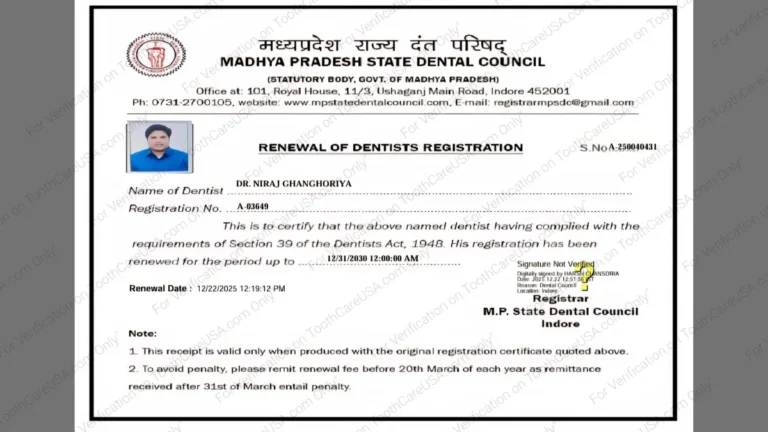
Dr. Niraj Ghanghoriya is a passionate dental surgeon with over 12 years of experience in clinical dentistry. He completed his BDS from the prestigious Sri Aurobindo Institute of Dentistry in 2012 and specializes in painless root canals, smile makeovers, and preventive oral care. He is the Founder of ToothCareUSA.com and a registered Dental Surgeon (Reg No: A-03649) based in Indore. Known for his patient-first approach and clear communication, Dr. Ghanghoriya aims to make dental knowledge accessible to everyone. When he’s not in the clinic, he enjoys writing informative dental blogs to help people take better care of their oral health. He reviews every article on this site to ensure medical accuracy and patient safety.